Learning for Life: The Thinking Behind the Freemen’s Pathway


As the national conversation turns towards the importance of a broader, more enriching Key Stage 3, Freemen’s reflects on the educational thinking behind its own approach to learning and the Freemen’s Pathway.
A recent BBC News article on proposed changes to secondary education highlights the Government’s ambition to protect Years 7 to 9 from an increasingly early focus on GCSE preparation. Instead, the proposals seek to give pupils greater breadth, deeper understanding and more opportunity to develop a genuine love of learning.
At Freemen’s, this thinking resonates strongly with our own educational philosophy.
Over recent years, we have been asking ourselves an important question: what should a great education prepare a young person for?
Excellent examination results matter, and academic success remains central to a Freemen’s education. But our responsibility extends well beyond preparing pupils for the examinations they will take at 16 or 18. We are preparing them for university, employment and adult lives that will continue to change long after they leave us. We believe a Freemen’s education should last a lifetime, equipping our alumni to adapt, flourish and thrive in the future.
The thinking behind the Freemen’s Pathway
This ambition lies at the heart of the Freemen’s Pathway, the framework that underpins a Freemen’s education. Bringing together our commitment to help every pupil learn, lead and make a difference, it sets out the knowledge, skills and personal qualities we want young people to develop, both at school and beyond.
We want pupils to leave Freemen’s as fulfilled, self-disciplined and resilient learners; principled, empathetic and self-confident leaders; and respectful, kind, compassionate and environmentally aware citizens.
This philosophy influences not only what we teach, but how we teach it. Alongside acquiring subject knowledge and skills, pupils are encouraged to think independently, become discerning users of technology, make ethical decisions, tackle challenging problems, respond constructively to feedback and take responsibility for their own learning.
Above all, we want them to develop the confidence, independence and curiosity to apply what they know in different situations.
Inspiration, not perspiration
It is also why we have deliberately resisted pushing GCSE preparation further down the School. One of the principles guiding our curriculum development has been that Key Stage 3 should provide ‘inspiration, not perspiration’, rather than simply becoming an early start to GCSE courses.
That does not mean making Years 7 to 9 less academically demanding. Quite the opposite. We want these years to be intellectually ambitious: a time when pupils encounter new ideas, build secure foundations of knowledge, experiment, debate, create, solve problems and discover subjects and interests they may not previously have known existed.
The distinction is between learning more deeply and simply starting examination preparation earlier.
Making space for a broader education
This thinking also informs the wider development of the Freemen’s Pathway. We are creating greater depth, choice and opportunity within the curriculum, while ensuring pupils have time to benefit from sport, co-curricular activities, tutoring and reflection.
We believe the development of character deserves to be treated as seriously as the development of subject knowledge and academic skills. Both are essential in preparing young people for the opportunities and challenges ahead.
The emerging national conversation is therefore an encouraging one. The Department for Education is making the case for a distinct three-year Key Stage 3, a broader educational experience and greater emphasis on areas including oracy, reading, music, drama, PE, languages, and digital and technical skills.
These are all important elements of the educational experience at Freemen’s. We welcome the growing recognition that a great education is not simply about what pupils achieve in examinations, but also about the people they become, the interests they discover and the contribution they go on to make.
That is what we mean by learning, leading and making a difference – and it is what we want every Freemen’s pupil to carry with them long after they leave Ashtead Park.
Related News
News
Mon, 9 Nov 2026
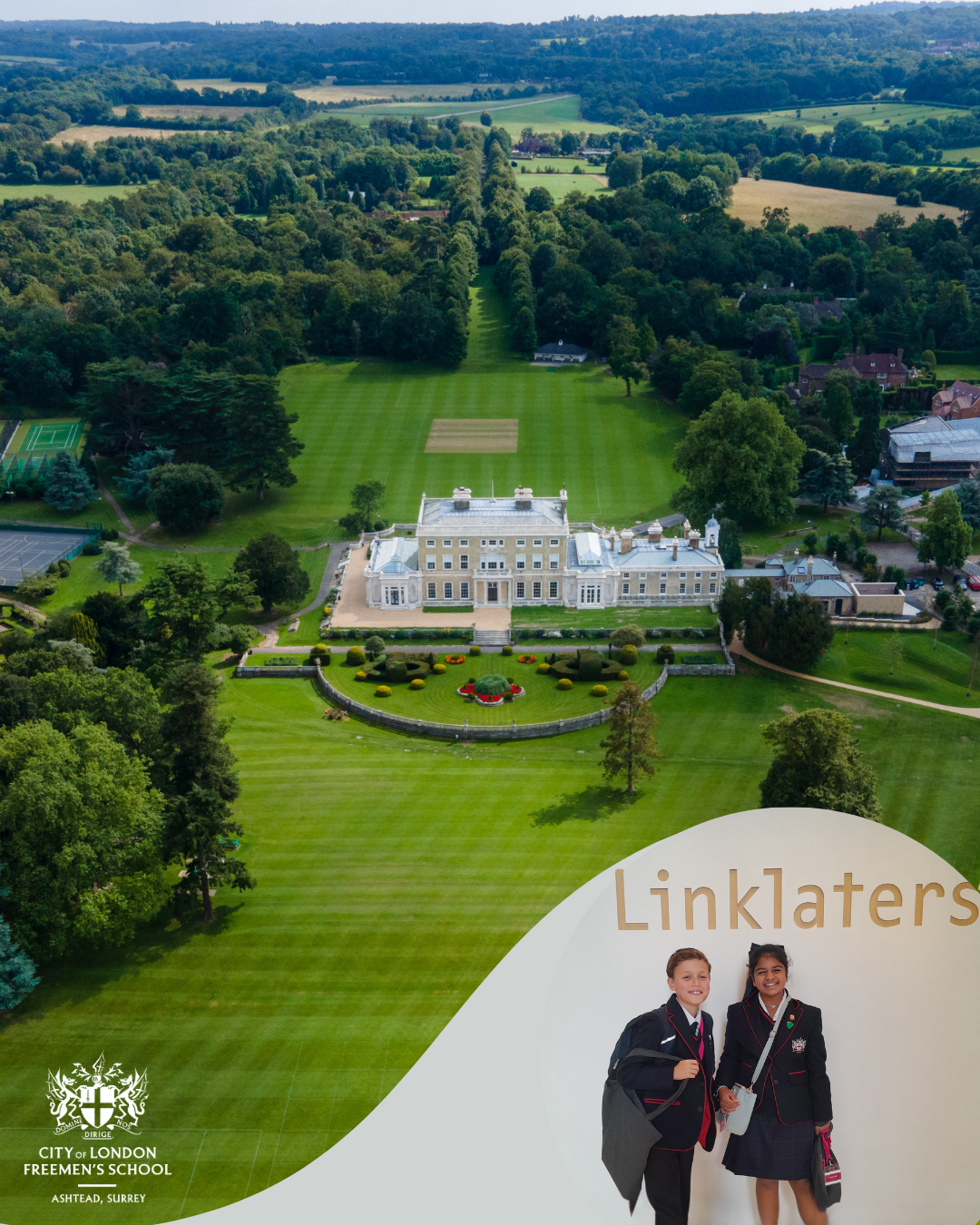
Freemen’s Pupils Achieve Third Place in International Challenge and Secure Trip to Harvard
Following their recent visit to Linklaters, we are delighted to share some fantastic news about two of our Academic Scholars,...
News
Fri, 23 Oct 2026
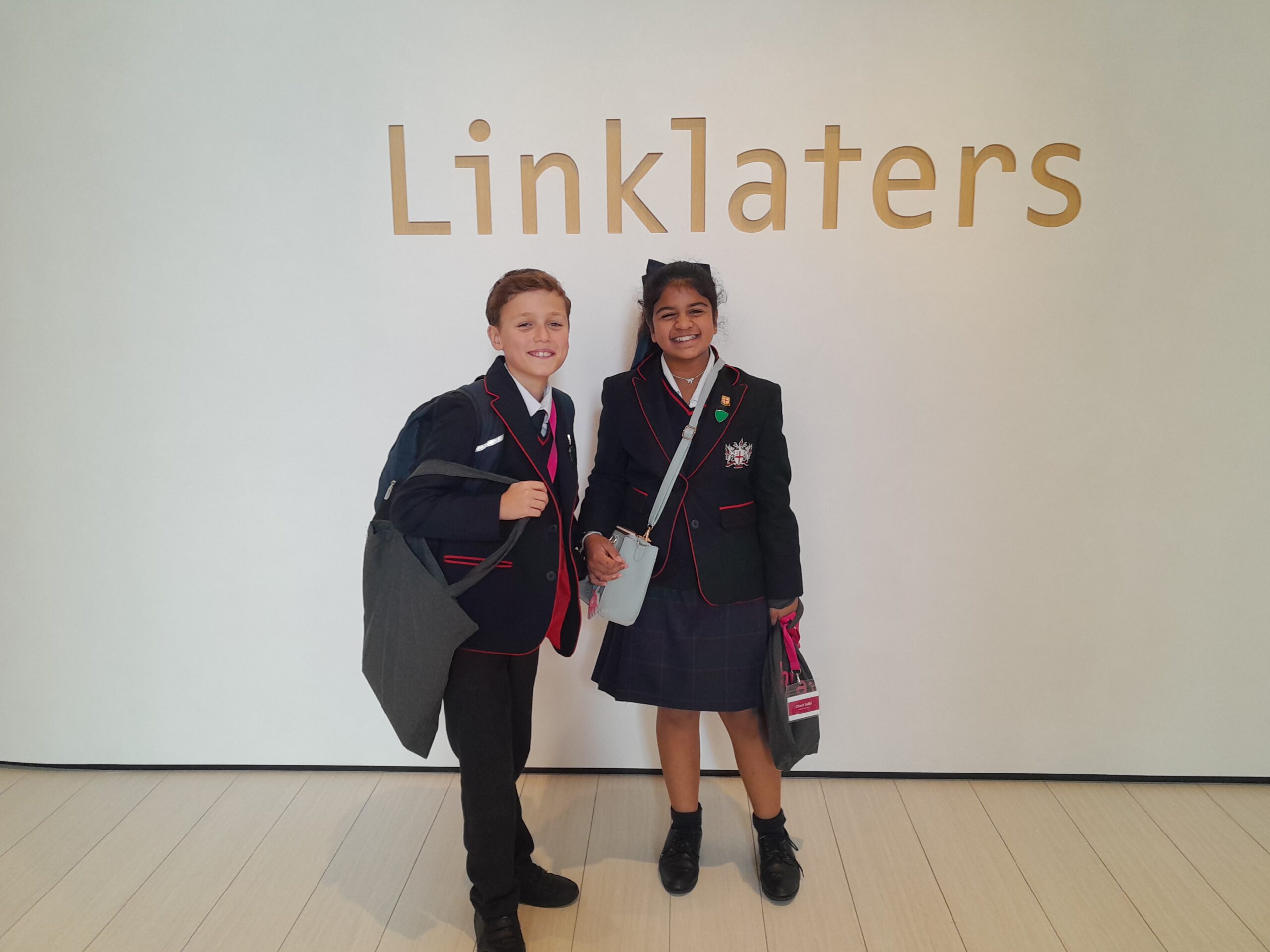
Academic Scholars Visit Linklaters for an Inspiring Day of Learning
Our Upper 3 Academic Scholars recently enjoyed an enriching trip to Linklaters, where they had the opportunity to explore the...
News
Thu, 20 Aug 2026
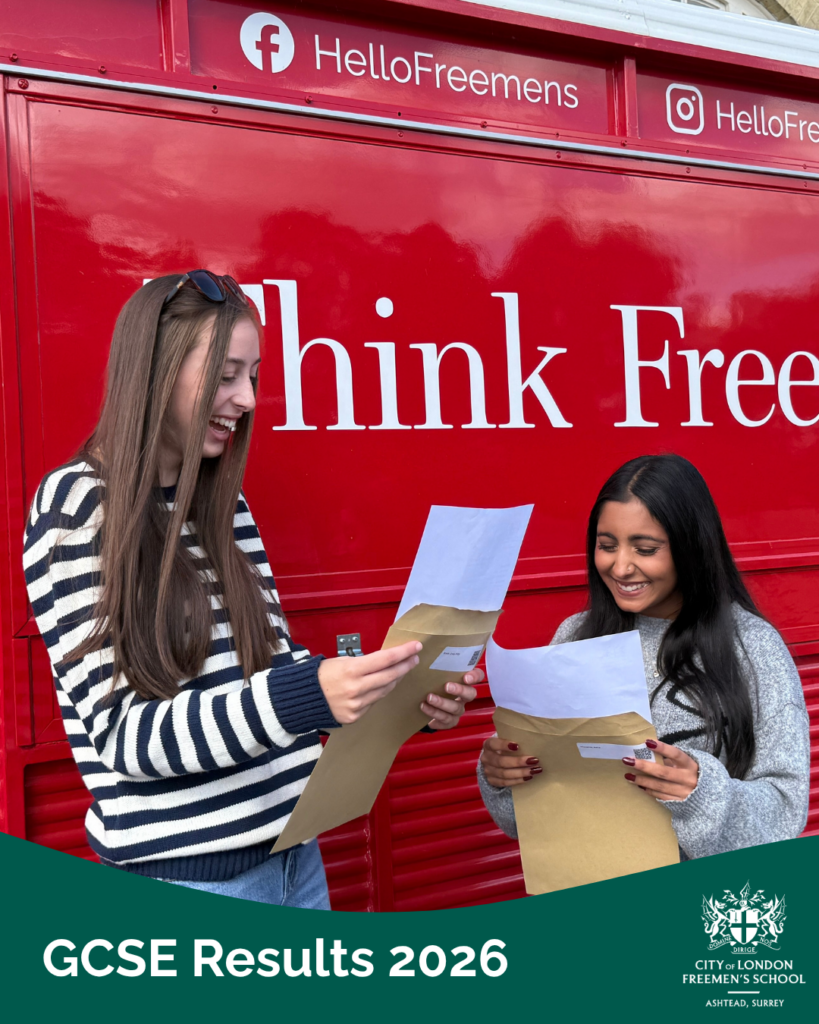
Freemen’s pupils celebrate exceptional GCSE results across the academic spectrum
Freemen’s pupils celebrate exceptional GCSE results across the academic spectrum City of London Freemen’s School is celebrating an outstanding set...

AFFILIATIONS & ACCREDITATIONS